





By Mel RossLet's talk

I've spent my career walking into complicated businesses and figuring out how to make them work better.

Sometimes that meant growing a multi-unit business. Sometimes it meant building a new sales organization from scratch. Sometimes it meant creating reporting so leaders could finally see what was happening. And sometimes it meant building the technology myself.

My career has always lived somewhere between operations, sales, technology and execution. I like figuring out why something isn't working, building a better way to do it, and then making sure the new way actually sticks.

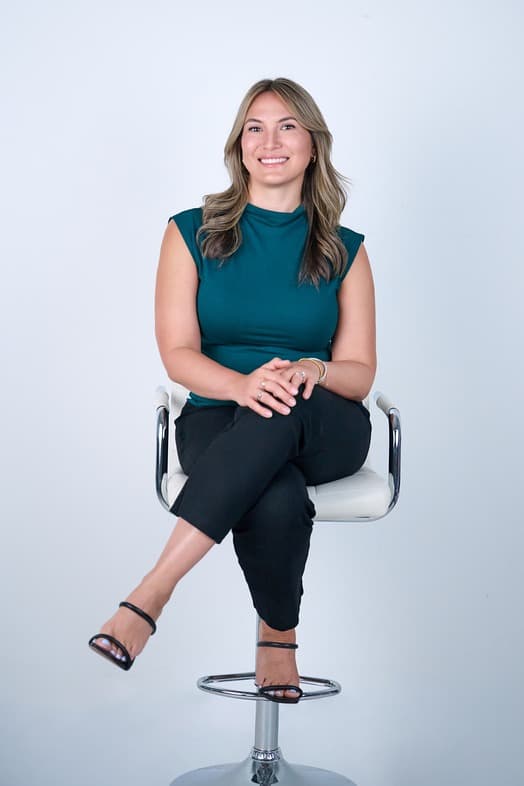
Melissa Ross seated in a studio portrait

Where that experience came from

  1. GROCERY

    $40M

    Multi-unit business grown 20%+ year over year.

  2. CONVENIENCE

    $225M

    90+ locations. #1 national scorecard out of 50+ markets.

  3. B2B COMMERCIAL

    $13.5M

    Built BD and a 15-person inside sales team from scratch.

I spent years running large, complicated operations. I directed a $225M convenience-store business across 90+ South Florida locations through COVID, and by the third year we held the #1 national scorecard ranking out of more than 50 markets. Before that I grew a $40M multi-unit grocery business more than 20% year over year while opening two stores and running a series of remodels.

Later, I moved into B2B and started building things that didn't exist yet. I helped build the operating structure behind a national sales organization across six territories. In one year, I launched Business Development and built a 15-person Inside Sales team, including roles, compensation, training and systems. The outbound and lead-generation engine I built with it produced an incremental $13.5M in two years.

The technology side grew out of that work, because the operation needed it. I also became the person building the technology behind the operation: Salesforce, CRM Analytics, reporting, workflows, automation and integrations. I built an AI-assisted government bidding platform on the SAM.gov API too, so qualified opportunities surfaced automatically instead of being hunted down by hand.

All of it was built inside real businesses, with real teams, under real pressure. That's the experience I bring to smaller businesses now, where one well-placed operational change can shift how the whole business runs.

WHERE I'VE WORKED

West Marine7-ElevenALDI

PLATFORMS I'VE OWNED + IMPLEMENTED

Salesforce

Business owner - Sales Cloud implementation, workflow design, reporting, adoption

HighRadius

Business owner - enterprise implementation, process transformation

ZoomInfo

Business owner - lead-generation implementation, sales workflow integration

SharePoint

Business owner - migrated old repository to SharePoint and owned continued maintenance

WHAT I WORK IN

  • Salesforce
  • CRM Analytics
  • Dashboards
  • Automation
  • AI Workflows
  • API Integrations
  • Reporting
  • Process Design
  • Sales Operations
  • System Implementation
  • Data Workflows

CERTIFICATIONS

EDUCATION

University of Florida
  • Master of Arts in International Business
  • Bachelor of Science in Business Administration
  • Major: Marketing, Minor: Spanish

What this looks like in practice

44%growth in the sales team, once we could see what wasn't covered

Paying for the outcome instead of the seat

THE SITUATION
The sales team was salaried. There was no upside for beating a number and no cost to missing one, so results ran on individual motivation. Territories had no defined borders either. Customers often didn't know who their local rep was, and lead assignment turned contentious.
WHAT I DID
I designed two commission and incentive structures that tied earnings to sales and margin performance. That meant working with Finance to set a monthly target on every account, and drawing real territory borders so every customer had one clear owner and leads routed without an argument. Comp came last. The measurement had to be fair before anyone would trust what it paid.
THE RESULT
Mapping coverage exposed how much of the book nobody was working, and the sales team grew 44% to cover it. The plan sorted out who wanted the job. Some reps left, the ones who replaced them wanted the upside, and the mix moved toward higher ticket sales and stronger margin.

23ptreduction in no-contact accounts

From "busy" to actually covered

THE SITUATION
A national field sales team of more than 70 reps. Leadership had dashboards and plenty of data, but couldn't answer a basic question: which accounts weren't being worked? Reps were busy. Activity looked healthy. Close to 60% of accounts had no recent contact at all.
WHAT I DID
First I defined what "covered" actually means. A logged activity plus a scheduled next step, so an account was never quietly dropped after one touch. Then I built exception-based reporting in Salesforce CRM Analytics that surfaced uncovered accounts automatically. Reps saw exactly where to go. Managers could hold the standard without chasing spreadsheets.
THE RESULT
No-contact accounts fell from roughly 60% to 37%, a 23-point improvement, with no added headcount. Coverage went from a gut feel to a number leadership could see and manage every week.

$13.5Mincremental revenue in two years

A new revenue channel, built from nothing

THE SITUATION
A B2B organization had tens of thousands of dormant and small accounts that nobody was touching.
WHAT I DID
I built the function from scratch. I started a Business Development capability and stood up a 15-person Inside Sales team as part of that commercial expansion, and designed everything underneath them: role structures, compensation, training, and ongoing development. Then I built the outbound and lead-generation engine and the technology to run it, including CRM workflow, data enrichment, and reporting, so leaders could see and manage the pipeline.
THE RESULT
$13.5M in incremental revenue in two years, from a channel that did not exist before I built it.

8,000+new accounts added to the portfolio from store-sourced leads

Leads the business already had, and no way to catch them

THE SITUATION
Retail locations were meeting commercial customers every day. There was no path from that conversation to the sales team, so the leads evaporated at the counter. These customers were already walking through the door.
WHAT I DID
I started small on purpose. A Microsoft Form wired to Power Automate routed each lead to the right person and kept a running log of submissions and conversions, which proved the motion worked before anyone bought software for it. Store employees earned on escalating tiers tied to what the account bought in its first 90 days, so the people meeting the leads had a reason to submit them. In year two I moved the automation into Salesforce, where leads were worked in Sales Cloud and converted to accounts.
THE RESULT
More than 8,000 new accounts entered the portfolio, sourced entirely from customers the business was already standing in front of.

These are results from my operating career, built inside the businesses I worked in.

Let's see if we're a fit

If something in your business is harder to run than it should be, I'd like to hear about it.

TELL ME WHAT'S NOT WORKING